
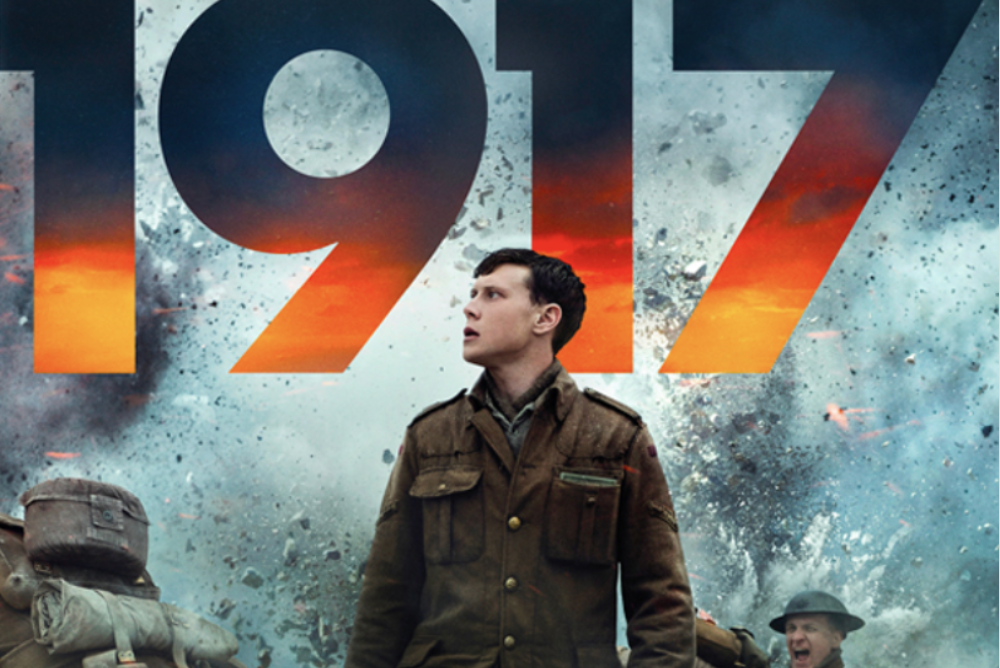
Transformational Neo-Riemannian Analysis of the Dream Sequence in 1917 (Thomas Newman)
Transformational Neo-Riemannian Analysis of the Dream Sequence in 1917 (Thomas Newman)
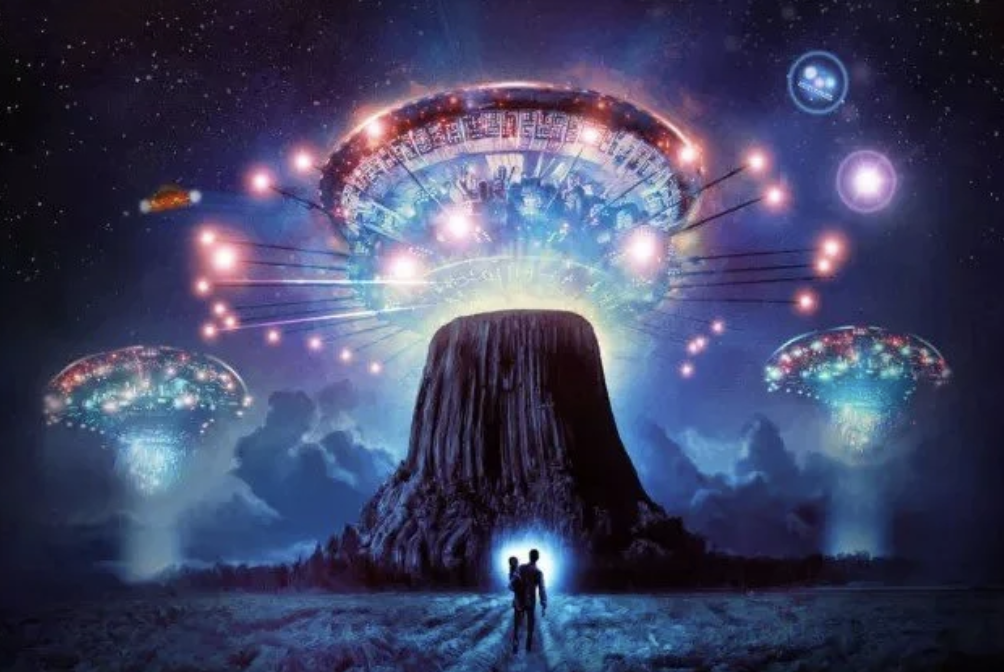
Excerpts from Close Encounters of the Third Kind: John Williams and the Theology of Sound
Excerpts from Close Encounters of the Third Kind: John Williams and the Theology of Sound
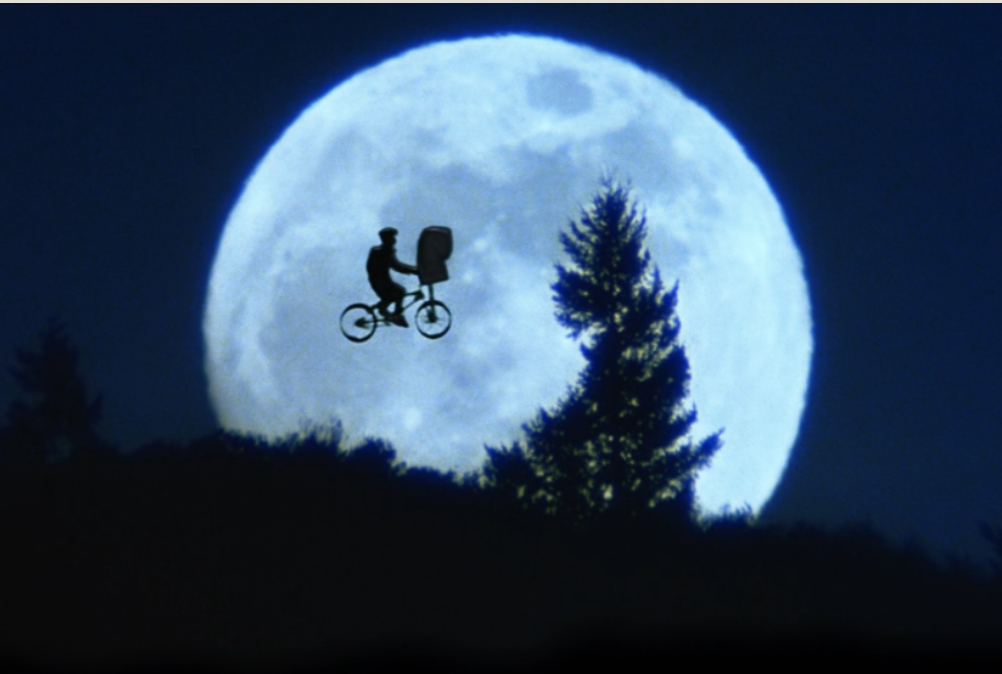
Harmonic Empathy in the Final Scene of E.T. the Extra-Terrestrial: A Neo-Riemannian Reading of John Williams’ Score
John Williams and Harmonic Empathy in the Final Scene of E.T. the Extra-Terrestrial
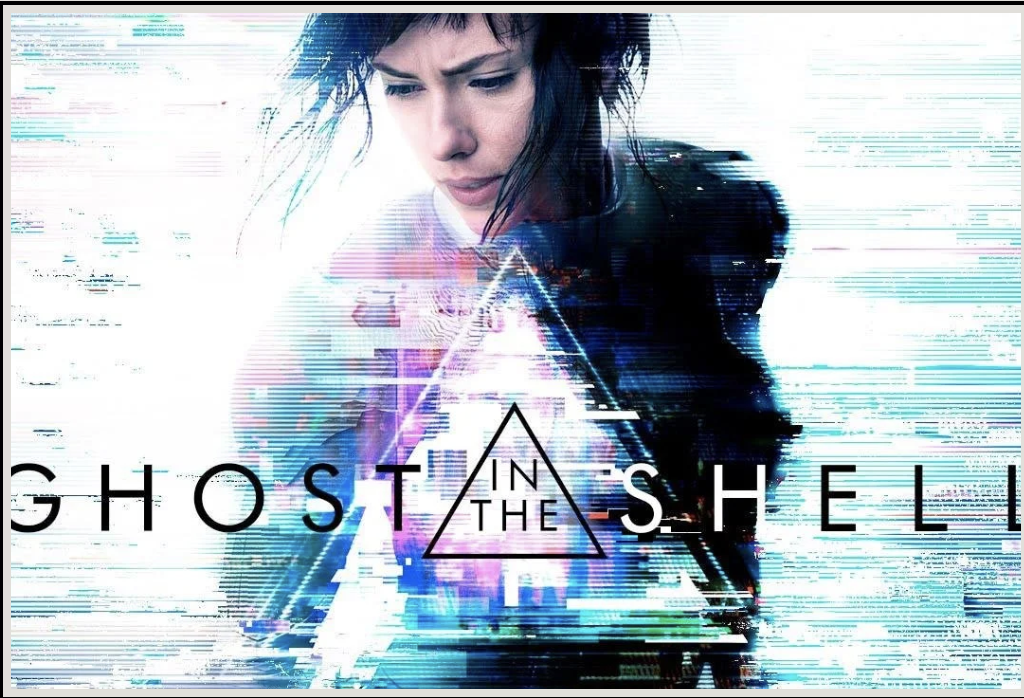
Ghost in the Shell – Opening Title: Neo-Riemannian Processes and the Melancholic–Dramatic/Hopeful Mood
Ghost in the Shell – Opening Title: Neo-Riemannian Processes and the Melancholic–Dramatic/Hopeful Mood
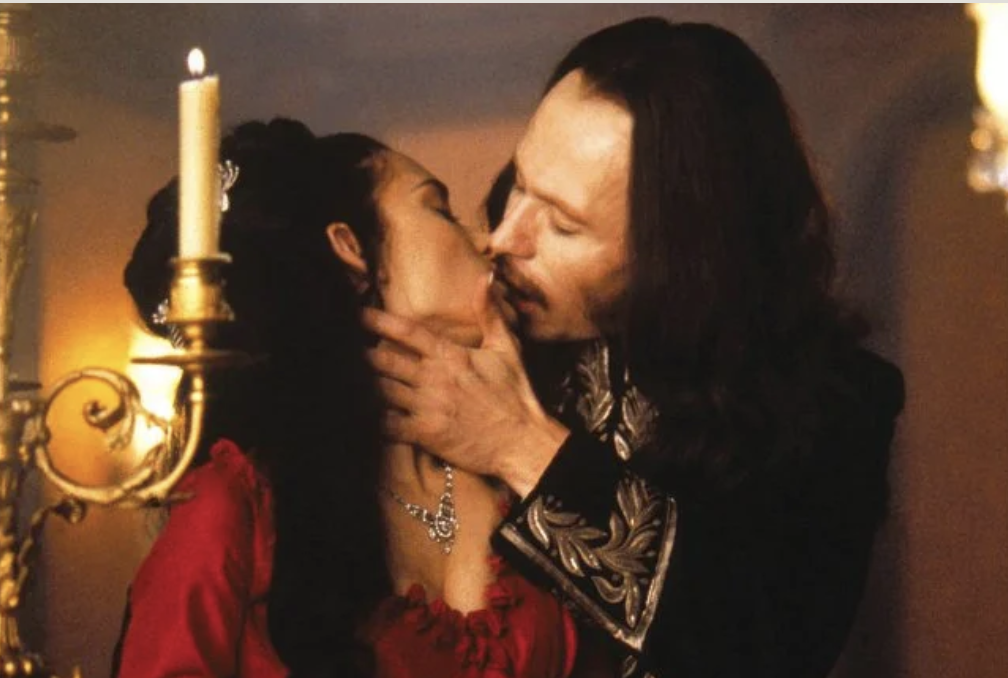
The Identity of the Monster: Neo-Riemannian Harmony and Musical Dramaturgy in Francis Ford Coppola’s Dracula (Music by Wojciech Kilar)
The Identity of the Monster: Neo-Riemannian Harmony and Musical Dramaturgy in Francis Ford Coppola’s Dracula (Music by Wojciech Kilar)
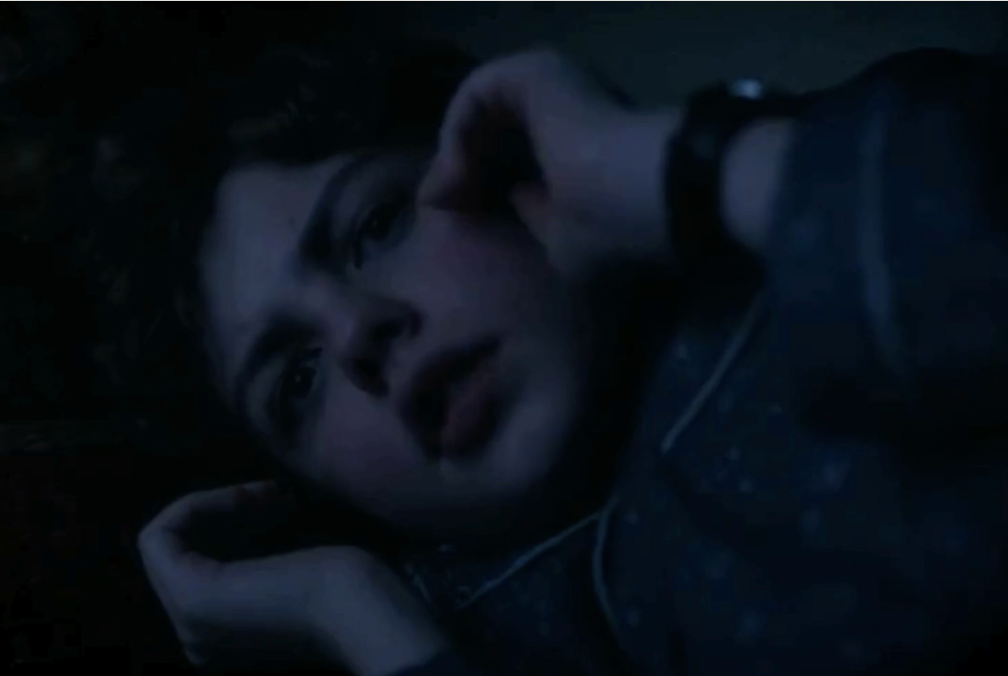
Rhetoric of Danger in the “Confusional–Dangerous” Scene (Welcome to Derry, Episode 1)
Neo-Riemannian Transformations and the Rhetoric of Danger in the “Confusional–Dangerous” Scene (Welcome to Derry, Episode 1): A Transformational Reading of Benjamin Wallfisch’s Score
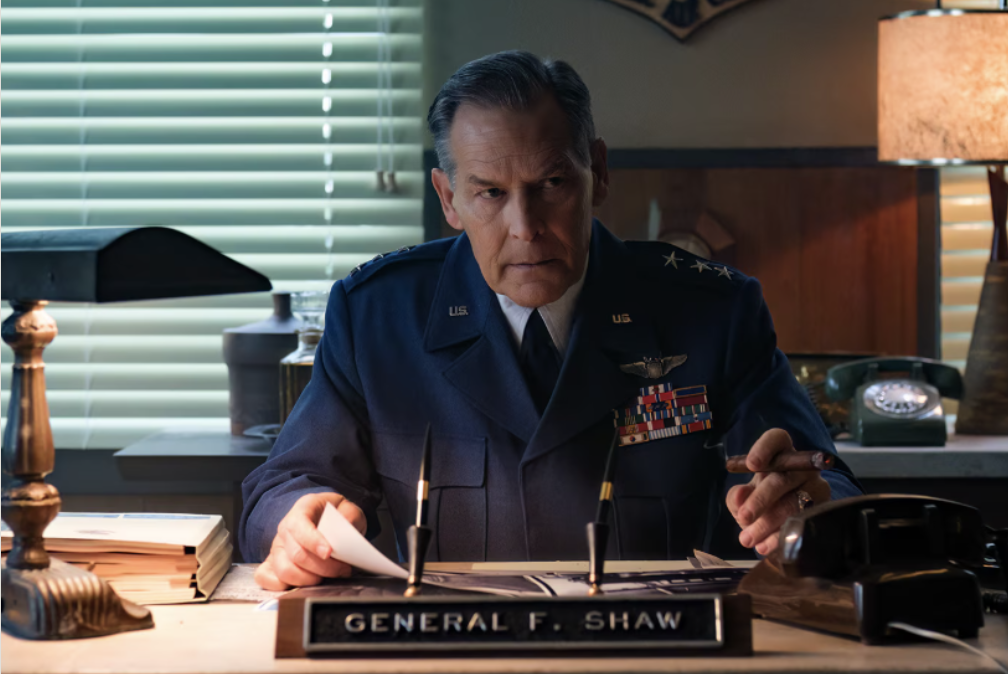
Melancholic–Hopeful Mood in Welcome to Derry (Episode 1)
Melancholic–Hopeful Mood in Welcome to Derry (Episode 1)
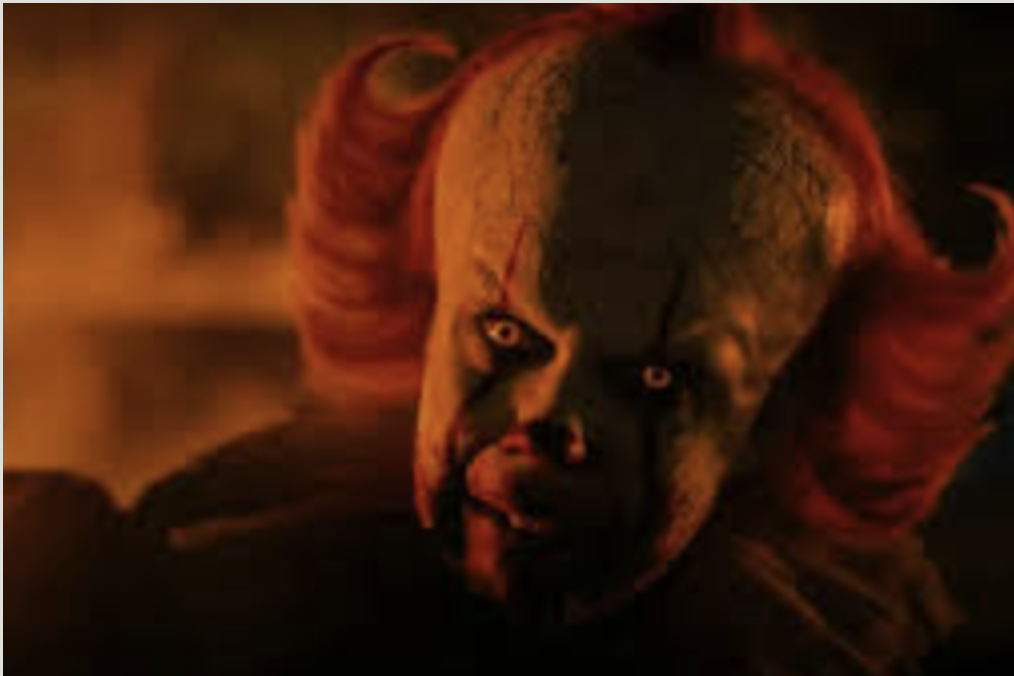
Hopeful–Dangerous Mood in Welcome to Derry (Episode 7)
Hopeful–Dangerous Mood in Welcome to Derry (Episode 7)
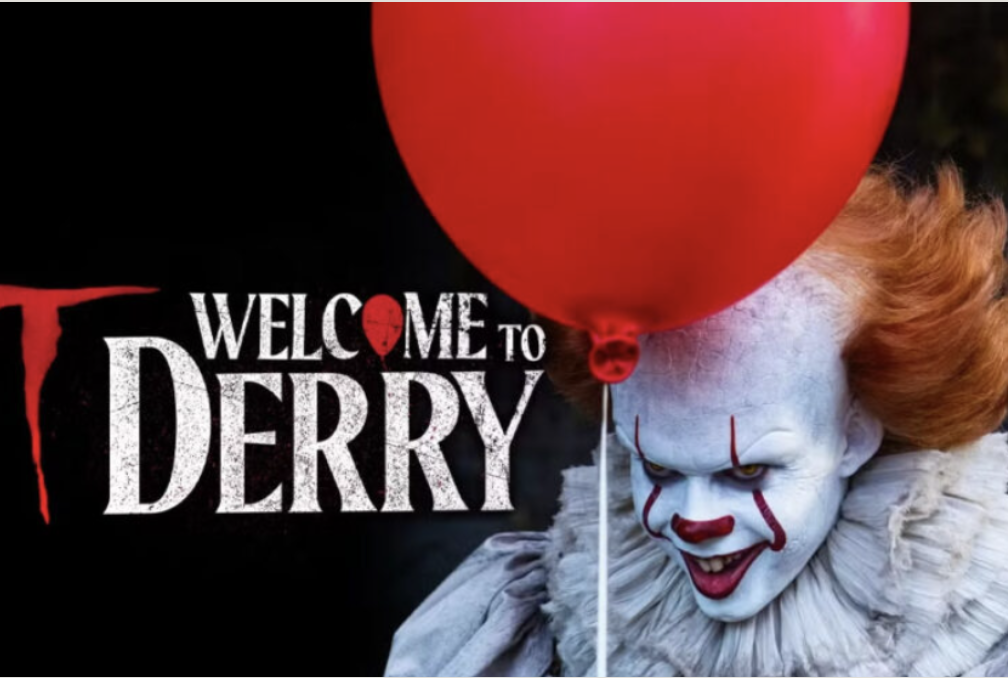
Diegetic Dissonant Overlay: Diegetic–Extradiegetic Contrast as an Emotional Amplifier in Contemporary Cinema
Diegetic Dissonant Overlay: Diegetic–Extradiegetic Contrast as an Emotional Amplifier in Contemporary Cinema
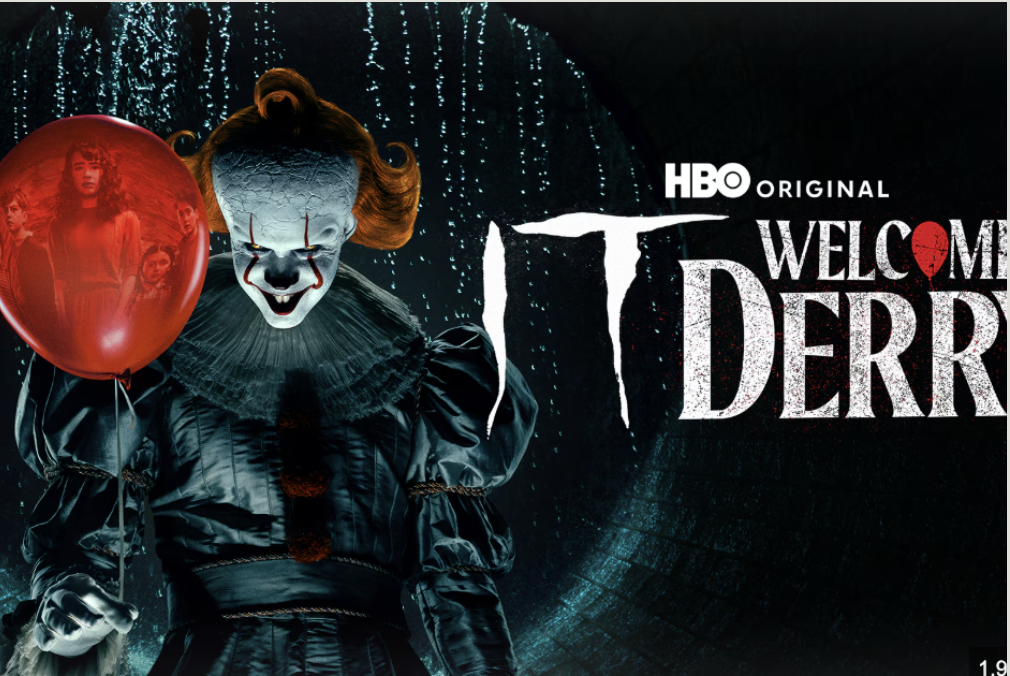
Extradiegetic Overdrive: The Predominance of Music in Welcome to Derry (Chapter 7)
Extradiegetic Overdrive: The Predominance of Music in Welcome to Derry (Chapter 7)
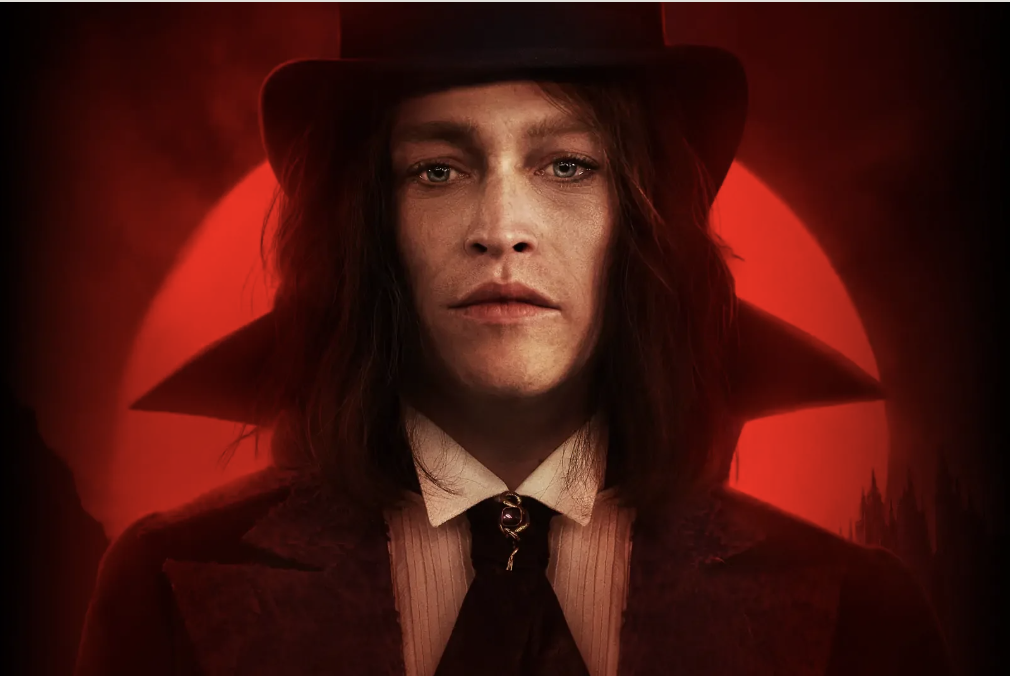
Danny Elfman in Luc Besson’s Dracula: a good choice?
Danny Elfman in Luc Besson’s Dracula: a good choice?