Danny Elfman in Luc Besson’s Dracula: a good choice?
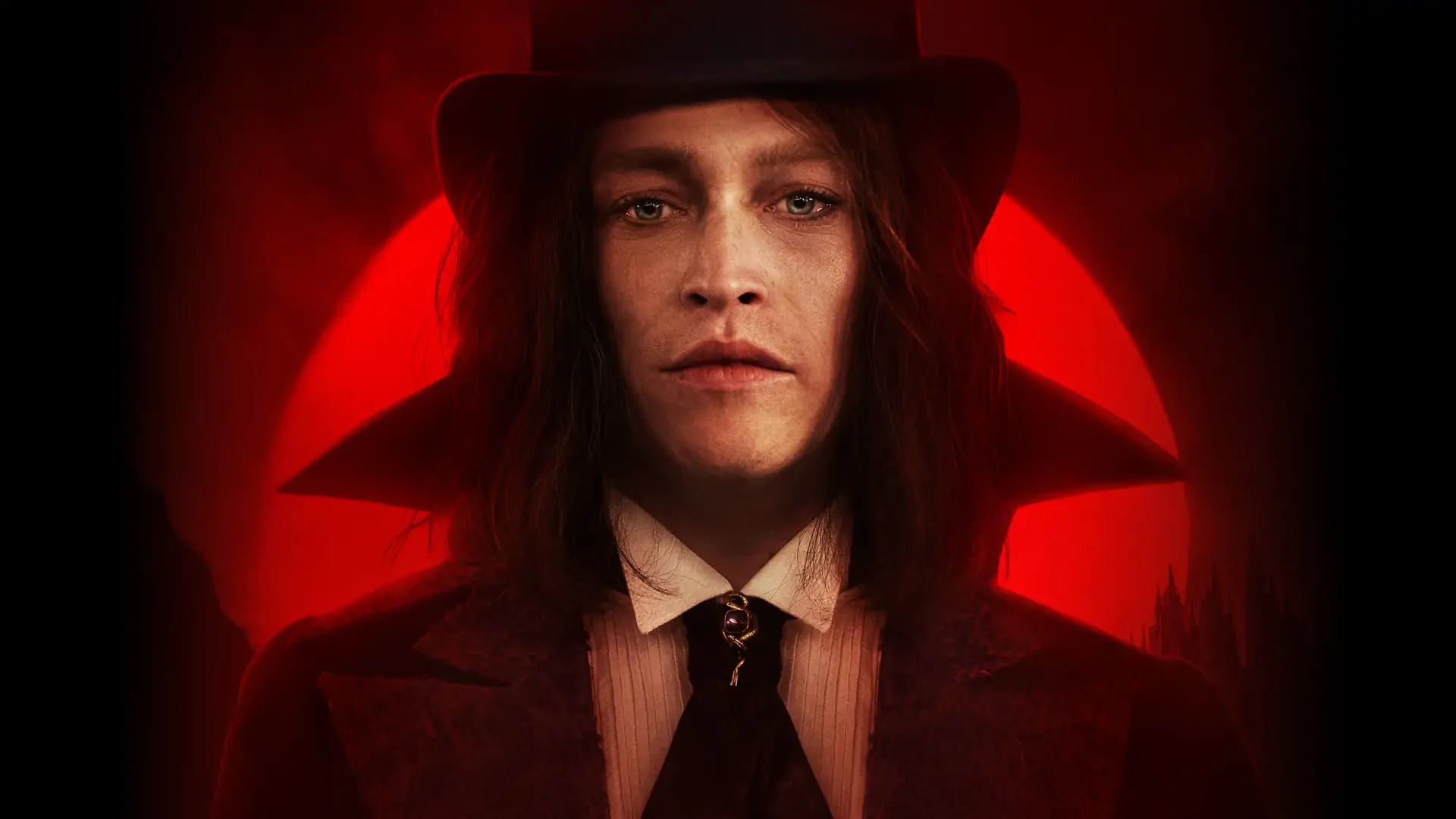
Luc Besson Dracula film press conference
Film Music Analysis

Danny Elfman in Luc Besson’s Dracula: An Emotional Choice

During the press conference for his latest film, director Luc Besson answered a question from Francesco de Donatis of the Master in Film Scoring, focusing on one of the most essential and often underestimated elements of cinematic language: the musical choice.

During the press meeting dedicated to his latest film, director Luc Besson responded to a question from Francesco de Donatis of the Master in Film Scoring, who brought attention to a crucial aspect of filmmaking: the role and aesthetic direction of the score.

Prof. de Donatis recalled how, thirty years earlier, Francis Ford Coppola entrusted the music for his Dracula (1992) to composer Wojciech Kilar, whose score shaped an intense atmosphere of dark love, filled with pathos, tragic sensuality and dramatic weight.

In contrast to that approach, Besson chose Danny Elfman for his own work: an iconic composer associated with magical, dark-fantasy sound worlds, strongly linked to Tim Burton’s cinema and to a more dreamlike, surreal and fairy-tale imagination.

The question, technical and aesthetic in nature, was direct: why choose a more magical and fairy-tale tone, almost like a dark fairy tale, instead of a more dramatic and passionate musical identity — one that, for example, a composer such as Benjamin Wallfisch, heir to the tradition of Bernard Herrmann and Jerry Goldsmith, might have brought to the film?

“I am in love with Danny Elfman’s music. My choice was not technical, but emotional.”

Besson answered without hesitation. His statement summarizes his approach to directing: instinctive, empathetic and guided by a strong sensory involvement. The collaboration with Elfman, therefore, does not arise from a logic of narrative counterpoint or from an aesthetic calculation, but from an emotional adherence to his musical language.

From this perspective, the score takes on a precise symbolic value: it does not simply accompany the images, but amplifies their dreamlike dimension, offering a Dracula who is less purely “Gothic” and more “poetic”, immersed in an almost dark fairy-tale universe.

Besson’s choice, therefore, should not be seen as a deviation from the dramatic canon, but as a repositioning of the myth within a more contemporary sensitivity — one in which emotion prevails over form, and magic replaces horror.

Watch the Press Conference
Indietro
Indietro

Extradiegetic Overdrive: The Predominance of Music in Welcome to Derry (Chapter 7)